



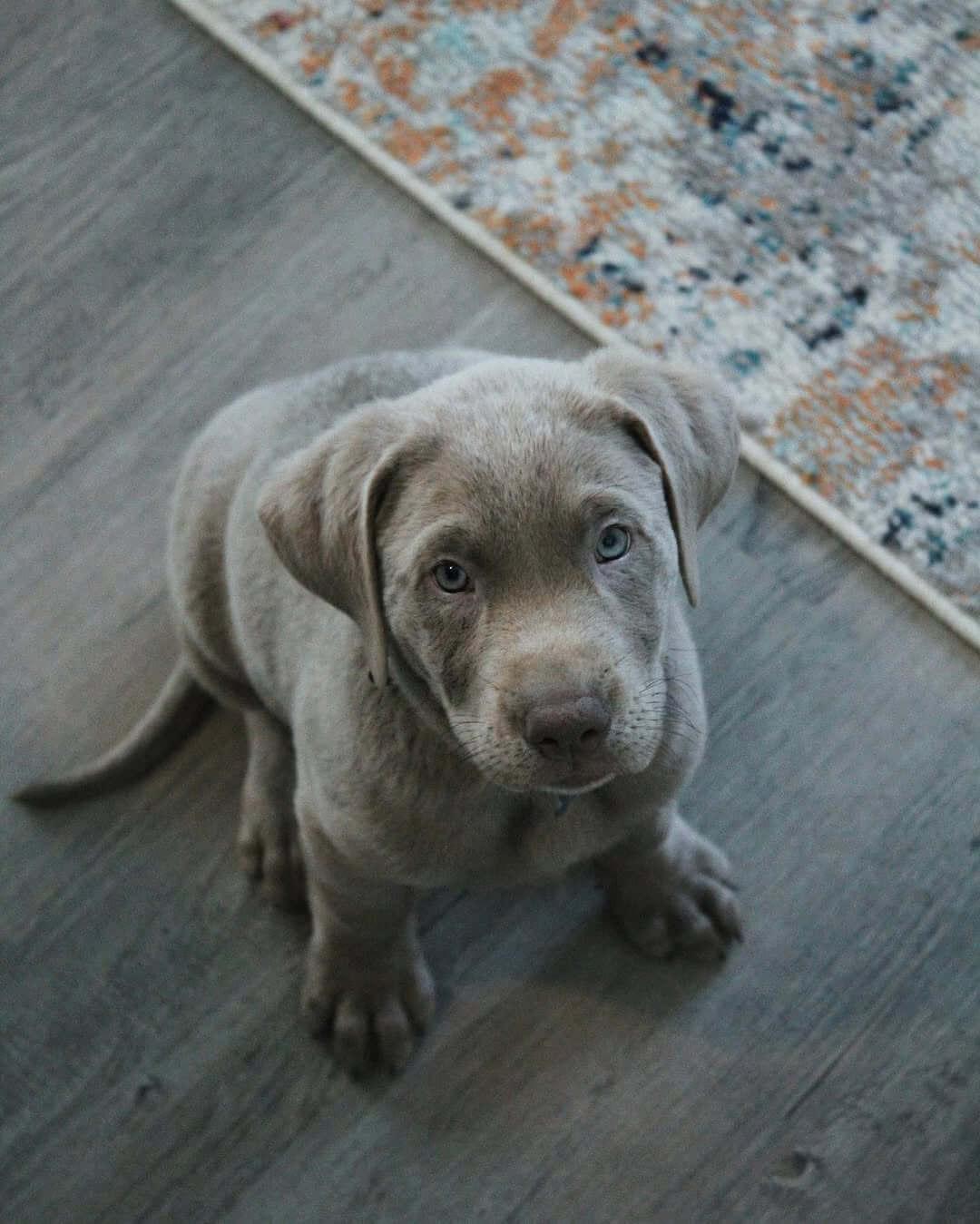

Silver Labrador Puppies for Sale
Few Labradors get as many double-takes as the silver ones. The pale, grey-toned coat looks nothing like the black, yellow, or chocolate dogs most people expect, and it comes with a fair amount of questions about genetics, registration, and health. If you’re searching for silver Labrador puppies for sale in Canada, this page tries to answer those questions honestly before you decide anything.
ASK ABOUT SILVER LAB PUPPIES VIEW AVAILABLE PUPPIES
The short version:
Silver Labs are real dogs with a diluted chocolate coat. How the colour entered the breed, and whether it fits the breed standard, is debated. Some dilute-coated dogs can have skin and coat problems, though many never do. Colour on its own says nothing about a puppy’s health, quality, or worth.
Introduction to Silver Labrador Puppies
Silver Labrador Retriever puppies are born with the same goofy, people-loving nature that makes the whole breed popular. They need what any Lab puppy needs: training, daily exercise, socialization, and regular veterinary care. The coat is the only thing that sets them apart, and even that changes a little as they grow.
Because the colour attracts so much attention, it’s easy to focus on it and forget the rest. A healthy, well-bred, well-raised puppy matters more than a shade. If you’d like to see what we currently have listed, visit our available puppies page, or take a look at our black Lab puppies if you’d like to compare colours.
What Makes a Labrador’s Coat Silver?
A silver coat is a diluted chocolate. Labradors get their basic colour from two sets of genes. One decides whether the dog is black or chocolate. A separate one, called the dilution gene, can lighten that colour. When a chocolate Lab inherits two copies of the dilute variant, one from each parent, the brown coat fades to a silvery grey, sometimes with a slightly warm or bluish cast.
Dilution can also lighten other Lab colours, which is why you may hear a few other labels:
| Base colour | With two dilute copies | Often called |
|---|---|---|
| Chocolate | Greyish, pale brown-grey | Silver |
| Black | Dark grey | Charcoal |
| Yellow | Pale, muted cream | Champagne |
The shade you see can vary with lighting and age, and some puppies look different at eight weeks than they do at a year.
Silver Lab Temperament and Personality
Nothing about the dilute gene is known to change a Lab’s personality. Silver Labs are generally described the way all Labradors are: friendly, curious, eager to please, and happiest in the middle of family activity. Individual temperament still varies, and it depends heavily on the parents, early handling, and how a puppy is raised.
Expect an energetic, mouthy puppy who wants to be involved in everything, and who may be vocal if bored. Labs aren’t usually nuisance barkers, but a dog that is under-exercised or lonely will find ways to make noise or mischief. They are also affectionate dogs, and many love to lean on you or sit close, which is partly why they’ve been bred for generations to work alongside people.
Training, Exercise, Grooming, and Feeding
Training
Labs learn quickly, especially when training is built around praise and food rewards. Start with house training, crate training, and basic manners in the first weeks at home, and keep sessions short. Early socialization to people, sounds, and surfaces pays off for years.
Exercise
For young puppies, a handy guide is roughly five minutes of structured exercise for each month of age, twice daily. Adults usually need an hour or more of movement every day, with some off-leash play or swimming where it’s safe. Many Labs start to calm down somewhere between two and three years old, but that varies a lot.
Grooming
The short, dense coat is simple to look after. Brush once a week, more during seasonal shedding, and bathe only when needed, which for most Labs means every few months. Silver coats can show dirt and shed hair quite clearly, and any dog with a diluted coat should have its skin and coat checked regularly. Look for dryness, flaking, or thinning hair, and mention changes to your vet.
Feeding
Labs love food and put on weight easily. Measure portions, choose a good-quality puppy food, and ask your veterinarian to help you adjust as your dog grows. Staying lean takes pressure off their joints.
Are Silver Labradors Purebred?
A silver Lab is a Labrador Retriever, and plenty of silver dogs come from Labrador parents. Where people disagree is how the dilute variant first entered the breed. Some believe it came from crossbreeding with another breed generations ago, while others dispute that, and the question hasn’t been settled to everyone’s satisfaction.
Kennel clubs also handle silver differently, and their rules can change. The breed standard published by organizations such as the American Kennel Club describes black, yellow, and chocolate as the accepted colours. Some registries have registered silver dogs as chocolate, and others may not. If registration matters to you, check the current policy with the Canadian Kennel Club or the registry in question, and ask to see the actual registration papers and pedigree rather than relying on a description.
Are Silver Labradors Healthy?
Many silver Labs live happy, healthy lives. At the same time, the dilution gene is linked in some dogs to a skin and coat problem called colour dilution alopecia. It can cause thinning or patchy hair, dry or flaky skin, and sometimes recurring skin infections. It doesn’t affect every dilute-coated dog, and it often shows up months or years after puppyhood. If you’re considering a silver puppy, it’s fair to ask about it.
Like all Labradors, silver Labs can also be prone to the usual breed concerns, such as hip and elbow dysplasia, eye conditions, and inherited conditions like exercise-induced collapse. These have nothing to do with colour. The Orthopedic Foundation for Animals explains the common health screenings used for the breed.
The most useful things to ask any seller are how the parents have been health tested, what records exist for the puppy, and what the written guarantee covers. You can read the terms of ours on the health guarantee page, and your own veterinarian can advise you on what matters for the puppy you’re considering.
A coat colour can’t tell you whether a puppy is healthy, well bred, or good value. Health records, a transparent seller, and a veterinarian’s opinion tell you far more.
Are Silver Labradors Rare?
Compared with black, yellow, and chocolate, silver Labs are less common. But “rare” is a word that’s often used in marketing, and it’s worth being cautious. A less common colour doesn’t mean a better dog, and it isn’t a good reason for a puppy to cost more. If a seller leans heavily on rarity to justify a high price, ask what the price actually includes, such as health testing, records, and guarantees.
How Is Silver Coat Colour Inherited?
The dilute trait is recessive. A puppy only shows a silver coat if it receives one copy of the dilute variant from each parent and also carries the chocolate colour genes. A dog can carry a single copy without looking dilute at all, which is why two normal-coloured parents sometimes produce a silver puppy.
Commercial DNA tests can show whether a dog carries the dilute variant and what base colour genes it has. That lets responsible breeders know what a pairing could produce, but colour should never be the main reason for choosing a mating. Health, temperament, and structure come first.
Frequently Asked Questions
Are silver Labradors real?
Yes. Silver-coated Labrador dogs exist and are well documented. The debate is about how the colour entered the breed and whether it fits the breed standard, not about whether the dogs are real.
Are silver Labradors purebred?
Many are Labradors by pedigree, but purebred status depends on a dog’s parentage and papers, not its colour. Ask to see the pedigree and registration, and see the section above for more detail.
Are silver Labradors healthy?
Many are, but some dilute-coated dogs can develop skin and coat problems, and Labs in general have breed-wide health concerns that testing helps address. The health section above explains what to ask.
Are silver Labradors rare?
They are less common than the three standard colours, but rarity alone shouldn’t affect your decision or the price.
How do you breed a silver Labrador?
Silver puppies come from parents that both carry the dilute variant, with a chocolate base colour in the puppy. But colour shouldn’t be the goal. Responsible breeding starts with healthy, well-tempered parents with appropriate health testing, careful attention to the dogs’ welfare, and honest records. If you’re thinking of breeding Labradors, speak with your veterinarian and an experienced, ethical breeder or a canine genetics professional first, and check the rules of any registry you plan to use.
How much do silver Labs cost?
Prices vary by puppy and by what’s included, so we’d rather talk to you about a specific puppy than give a general figure. Colour shouldn’t be the only reason for a higher price. It’s also wise to plan for ongoing costs like food, vet care, training, and supplies.
How long do silver Labradors live?
Labrador Retrievers commonly live around 10 to 12 years. Good breeding, a healthy weight, regular exercise, and routine veterinary care all play a part, and your vet can help you keep an eye on skin and coat health in particular.
Is a Labrador Retriever a good family dog?
Labs are generally friendly and good with children, but they’re big, bouncy, and need plenty of exercise and training. A Lab that’s well exercised and well socialized often does wonderfully in a family home.
Can Labs be left alone for 8 hours?
It isn’t ideal. Puppies need frequent breaks, and even adult Labs can get bored, anxious, or destructive when left alone for long stretches. If your schedule is long, plan for a midday visit, a dog walker, or daycare.
How often should you bathe a Labrador?
Every few months is usually enough, or when your dog is dirty or smelly. Too many baths can dry out the skin, which is worth remembering with a diluted coat.
Contact Us About Silver Labrador Puppies
If you’re interested in silver Lab puppies for sale, the best first step is to contact us and ask what is currently available and what’s coming up. We’ll answer your questions about specific puppies, health information, and the next steps. You can also browse all available Labrador puppies.
For families across Canada, our shipping and delivery page explains how puppy transportation works. A $400 CAD refundable reservation fee may be required to reserve an available puppy, and it is refundable according to our reservation terms. Please review the reservation policy before making a payment.






Reviews
There are no reviews yet.